
A BRIDGE BETWEEN NATIONS: TEACHING AFGHAN GIRLS FROM BANGLADESH
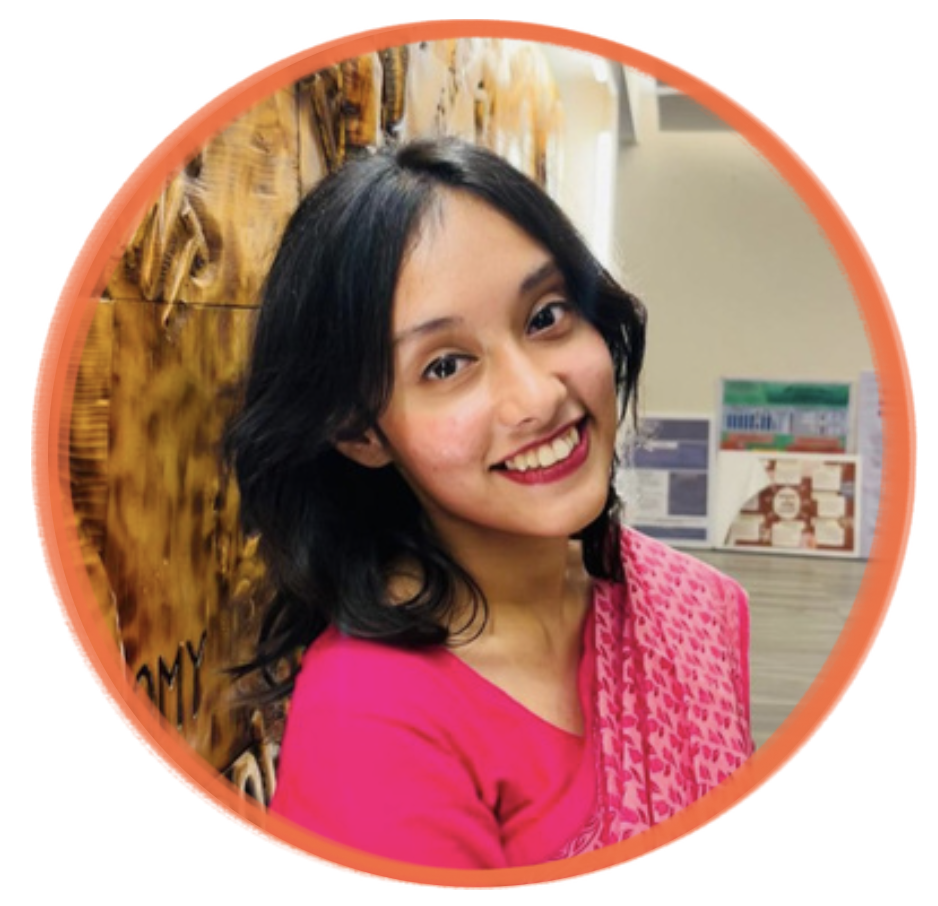
Adeena Hasan,
Volunteer Teacher , AAFE

From my home in Bangladesh, I had watched the Fall of Kabul in 2021 along with the rest of the world. I was in high school at the time, old enough to perfectly understand the
consequences the loss of education could have on girls my age in Afghanistan-but I was
also too young to do anything about it. I remember feeling quite helpless as I watched the
dreams of my Afghan peers be dismantled.
I felt helpless because I was only one person. And I was countries away.
Then in 2026, as I entered my second year of university studies, I came upon Aid
Afghanistan For Education. Immediately, I felt this deep sense of respect for what they did,
and for how they operated as a lifeline for girls whose fundamental rights were being
denied. Then it struck me that they were looking for volunteers.
Surely, I myself could apply…right?
At the time, I had work experience but my only teaching experience was limited to a
part-time tutoring job a few years ago. Well, not only did I go for the opportunity, but theyalso quickly reached back!
They considered my tutoring knowledge and offered to let me teach Spoken English. Of
course, they also considered I was young and somewhat inexperienced, so I was assigned
under a head teacher based in Afghanistan. The head teacher gave me the freedom to
design lessons and have them approved by her.
I remember our first class was scheduled in early August of 2026. I decided to make this
an introduction class, but truth to be told, I went there with absolutely no idea of what to
expect. Being from Bangladesh, I had never met anyone from Afghanistan before. Up
until that point, the girls of Afghanistan were faceless reports and news headlines to me.
They were the eyes of Sharbat Gullah, they were the women from Khaled Hosseni’s
novels.
That first class, however, flipped my understanding of Afghan girls in the best possible
way. I was surprised by vibrant, talented young women who were extremely eager to
connect with the new foreign teacher. Getting them to introduce themselves was not the
hard part, managing time because of how eagerly everyone talked was!
I met talented young women pursuing their university degrees online, I met shy teenage
girls who had just crossed Grade 6 and had just been forced to leave formal schooling. I
met a 17-year-old who is fond of football. I met unique, vibrant individuals with their own
aspirations, dreams and surprising endurance.
They could not be any further from the passive, helpless victims the media portrays
Afghan girls as!
I learned over the next couple of classes they are young women who can smile and
strive through the oppression they are currently facing. And of course, I realized I had an
enormous duty as their educator to help keep their dreams alive in an otherwise soul-
crushing environment. I was holding one of their only windows to the outside world, and I
realized I had to hold it as wide open as I could.
I thus integrated practical lessons into the studies. We learned how to report stolen
belongings to the police in English, we learned to develop opinions about different
imaginary but useful scenarios (for example, should you learn to use the metro first when
you are in a new country, or should you stick to other familiar forms of transport
initially?). We learned how to explain our lateness to an imaginary work manager. We
learned to debate opposing ideas with respect. We also learned to describe injuries to a
foreign, English-speaking doctor.
To many of them, these are very new but practical scenarios. I take into account their
dreams about the future when I design lessons: one student wants to become a doctor;
another wants to work at Apple. One student is already a mother of two and meticulously
juggles class attendance with childcare. A shy teenager is fond of Ariana Grande. I try to
incorporate their broader education and dreams into my lessons to keep the studies as
useful as possible.
Sometimes after classes, some students will reach out to me to practice English.
Someone might send me photos of household items and ask for the English noun. I havecome to admire their enthusiasm quite greatly. During the first class, I mistakenly
assumed they spoke Pashto instead of Dari, and the whole class began laughing heartily.
As one can imagine, I have a lot to learn from them too. I actually plan on surprising
them with a little Dari soon as we progress on with our English lessons!
They are occasionally curious about my language and culture as well. They ask how life is
for women in Bangladesh, whether they can study and work. Frankly, seeing how some of
these talented women wish they were in Bangladesh has made me appreciate
Bangladesh more despite its structural flaws. I could have been very easily born into the
hardships they are facing. This is another reason I think it’s my duty, and those of other
luckier people, to help them as much as possible.
One thing that they say frequently to me rings in my ears:
Thank you for all you do for us. Thank you for your time.
On Teacher’s Day, my inbox was flooded by grateful students. One student wrote:
“Maybe to you, I was just one of your students, dear teacher. But to me, you are one of
the most beautiful and unforgettable memories of my life.”
Due to the oppression they are facing, they are genuinely bewildered someone would
spend time and energy helping them. What they don’t realize is that I myself am amazed
to be able to guide such talented and resilient young women.
When I initially discovered this organization, I felt grateful for what they did. And now, as I
work in it, I am even more grateful. They have not only given me the opportunity to
garner teaching experience, but they have also kindled alive the dreams of numerous
brilliant girls.
When I watched the Fall of Kabul in 2021, I felt very helpless because I was one person
and very far away. But at this organization, I am with many like-minded people from
around the world as we build a bridge to some of the most resilient women I have ever
seen.

Adeena Hasan
Volunteer Spoken English Teacher, AAFE


Comments